Most mules don’t fail because of how they look. They fail because of what’s happening underneath — at the heel, through the vamp, and along the outsole. By the time your foot is sliding forward with every step, the problem’s usually been there since the first wear.
That’s why slip-on design is worth understanding properly: a set of engineering decisions that determine whether heels and mules stay put or work themselves loose by lunchtime.
Closed shoes with a back strap have built-in security: the foot is held in place from multiple directions, so the structure does most of the work.
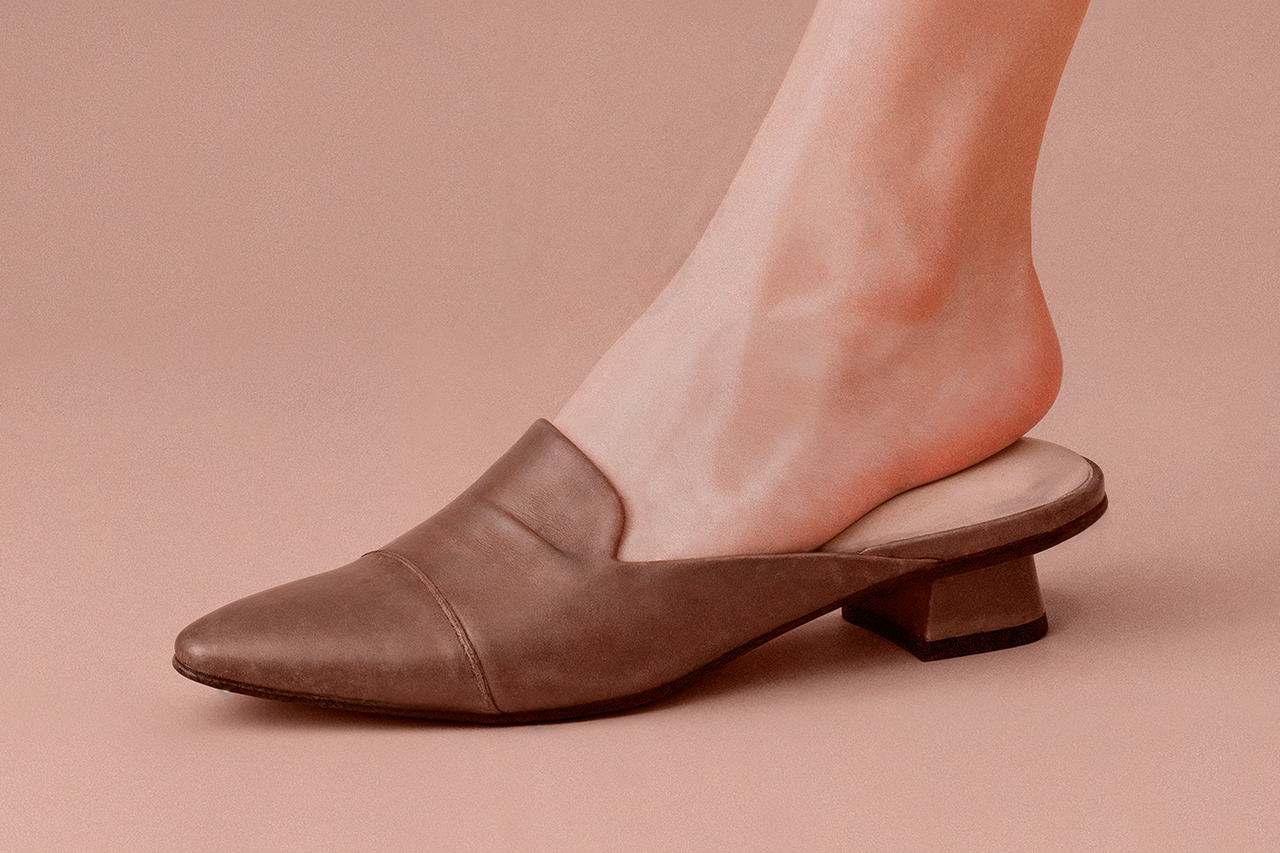
Mules don’t have that luxury. With an open heel and no strap, comfort relies entirely on vamp height and coverage, heel cup shape and depth, friction at the outsole, and how weight moves through the foot as you walk.
Get those four right, and mules can feel as secure as heels with a full back strap. Get them wrong, and even an expensive pair will slip, pinch, or tire your feet within the hour.
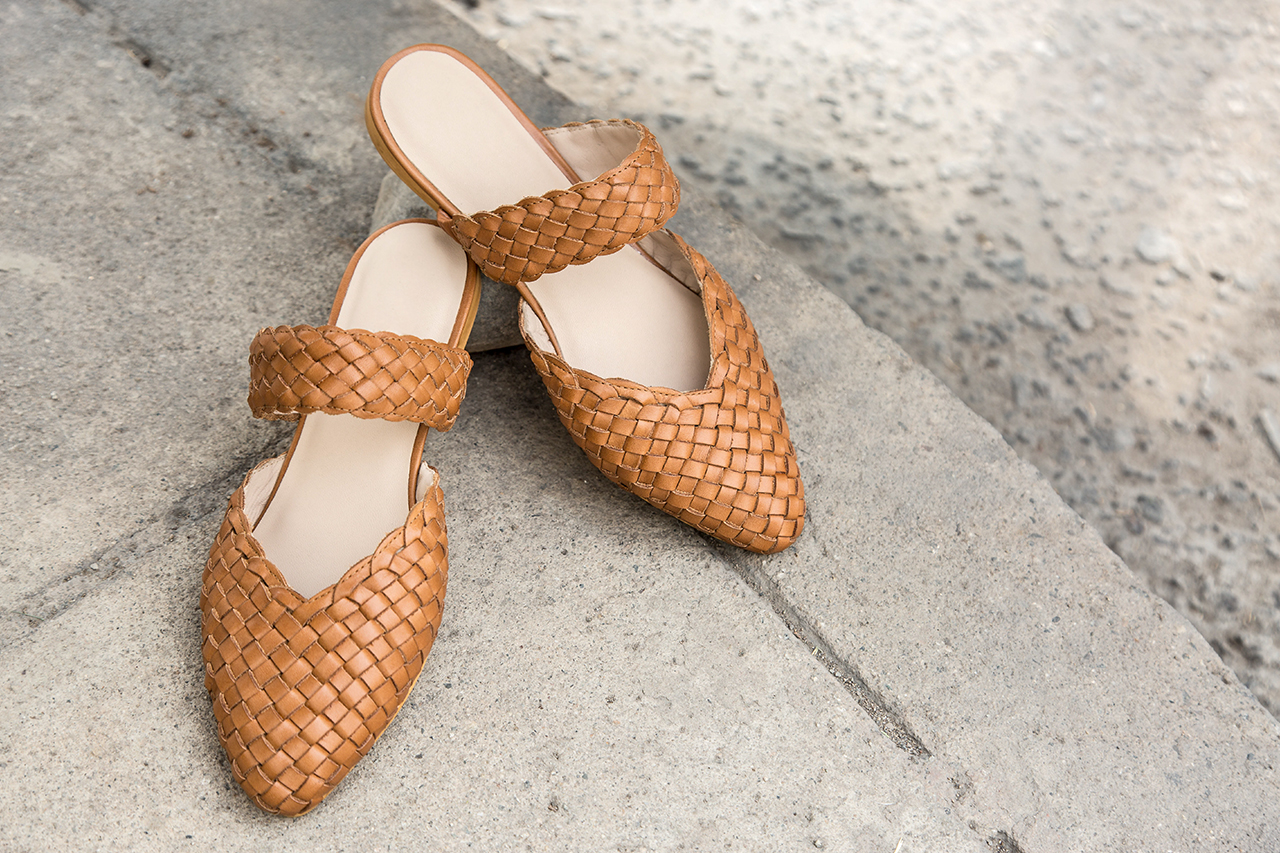
The vamp covers the top of the foot, doing more work than people realise.
A low vamp looks elegant but gives the foot less to push against. Every time the heel lifts mid-stride, a shallow vamp lets the foot travel forward before the front catches it.
A higher vamp, even an extra centimetre, changes that: it locks the forefoot down earlier in the stride, reduces forward slide (meaning fewer blisters), and lets the heel cup and outsole do less compensating.
This is why some mules and sandals feel secure straight out of the box, while others need a season of breaking in. Comparing two similar pairs side by side, the vamp line is the first place to look.
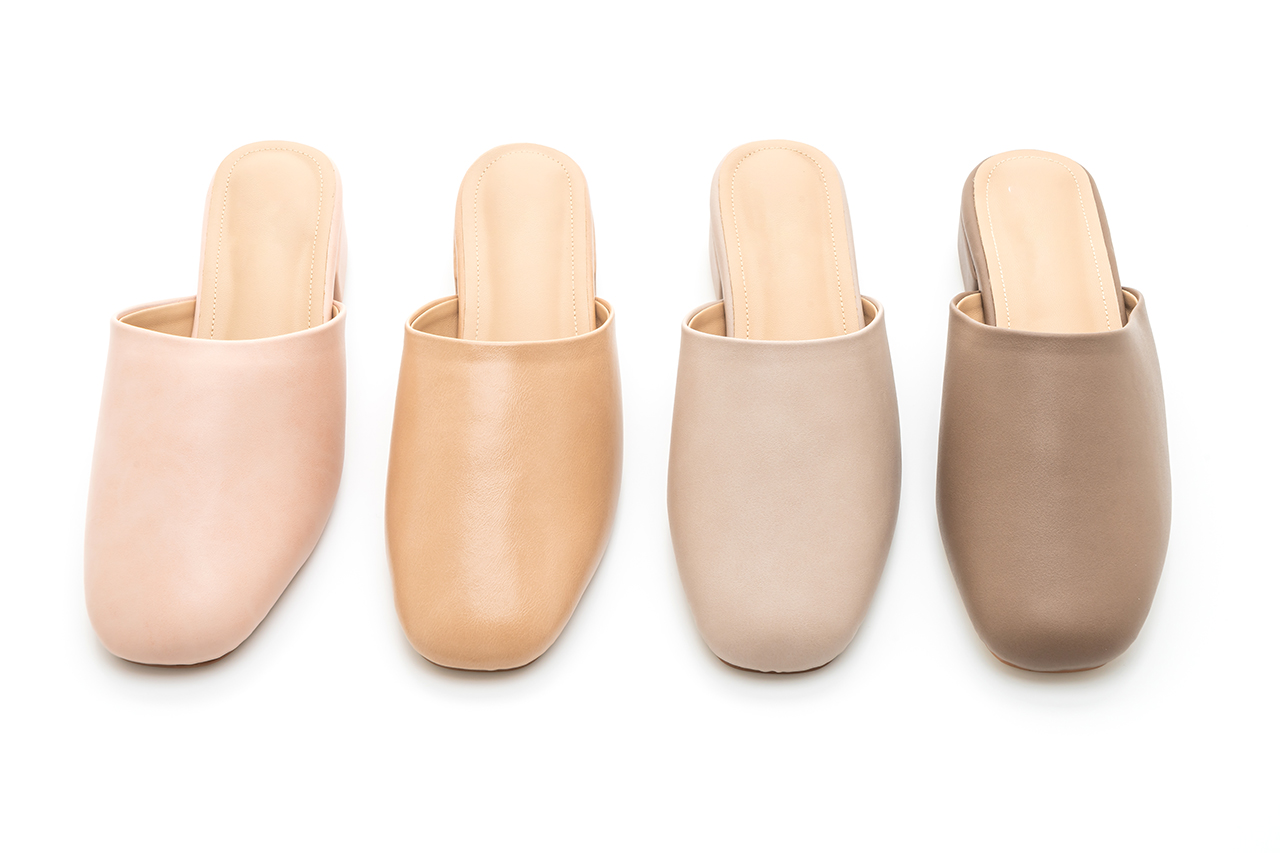
The heel cup is the curved section cradling the heel. On block heels, this matters even more than the height itself.
A well-shaped heel cup does three things: it matches the natural curve of the heel bone rather than forcing it flat, it sits slightly raised at the back edge so the heel doesn’t simply pop out, and it spreads pressure evenly instead of concentrating it on one point.
Block heels with a shallow, flat heel cup rely on the wearer gripping with their toes to stay on — which causes fatigue and that dragging-foot feeling by day’s end. A deeper, contoured heel cup does that gripping job instead.
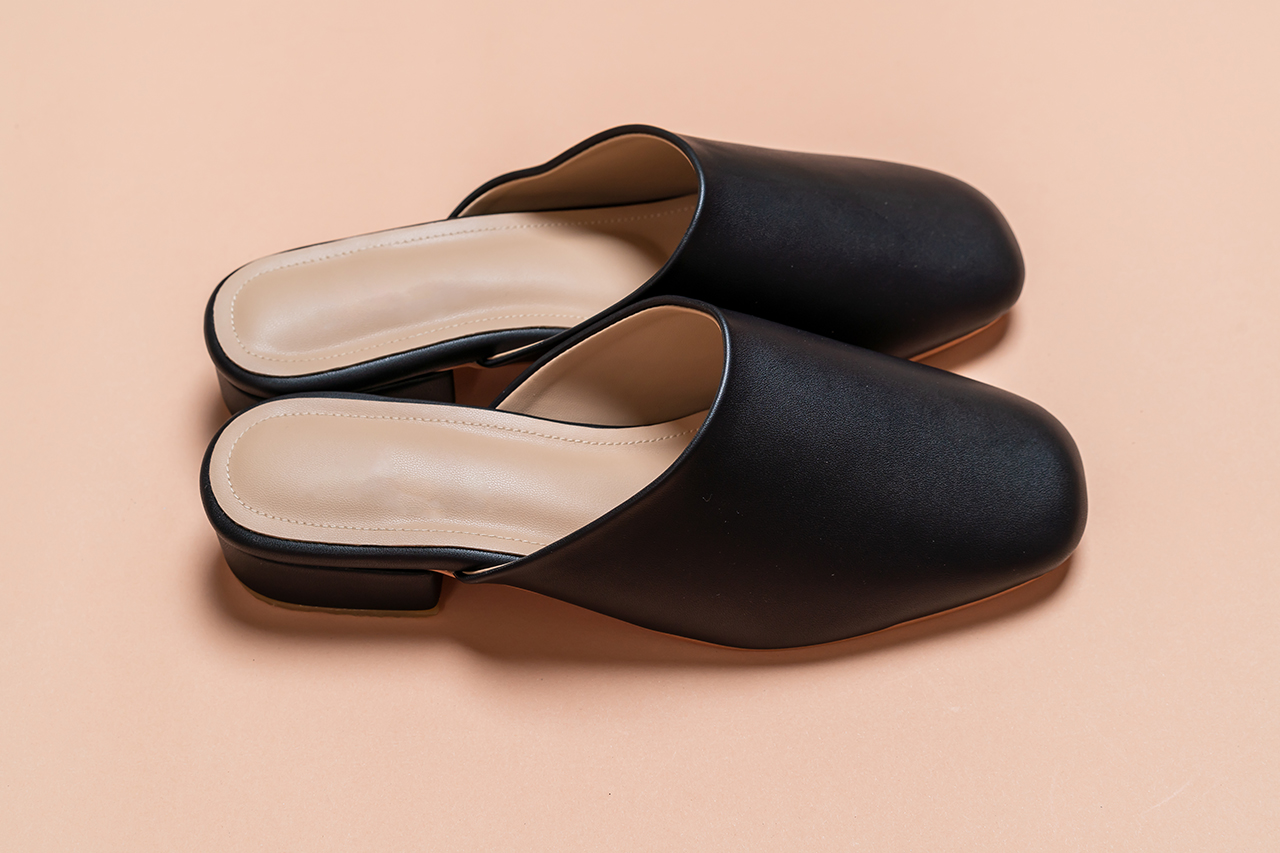
Outsole material affects how a shoe grips the ground, and how shoes grip the foot from below.
A textured outsole reduces internal slide — the same forward movement the vamp is trying to prevent, tackled from underneath instead of above. Smooth or hard synthetic soles let the foot drift with every step, which is why two similar-looking pairs of heels can feel completely different underfoot.
This is where block heels and mule shoes genuinely differ from closed footwear. A regular shoe holds the foot through structure alone; mule shoes need the outsole to carry that load instead.
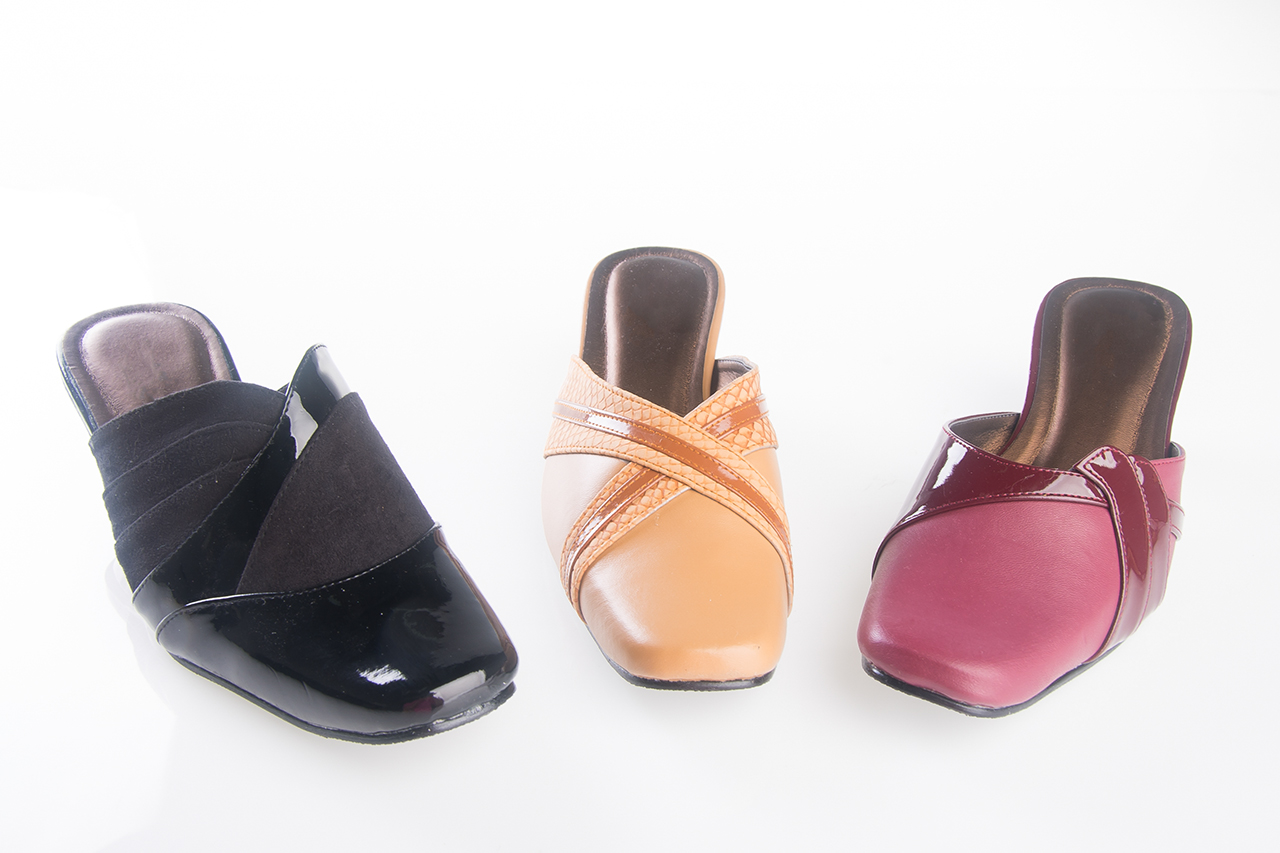
Block heels are often touted for comfort and the logic is sound but only when the design uses that wider base properly.
A block heel spreads the weight over a wider area than a stiletto, reducing the pressure per square cm, and helping with balance. But the advantage is lost if the vamp is too low or the heel cup too shallow, as the foot still slides inside otherwise stable base.
The best mules combine all three: vamp coverage, a contoured heel cup, and a heel shape that matches the wearer’s natural gait. None of these features compensate for the others — they work as a system, the same way good heels for women always do.
Leather, suede, and synthetic uppers behave differently once worn. Leather and suede mould to the foot’s shape over the first few wears, so a properly fitted pair often feels more secure after a week than on day one. Stiff synthetics don’t offer that, so the original fit needs to be closer to ideal from the start.
Lining matters too: a breathable lining reduces the moisture that makes feet slide inside, since sweat is a lubricant and lubricant is the enemy of grip. It’s a small detail, but a reliable sign of well-made heels versus a poorly finished pair.
None of these features work on their own. A high vamp won’t fix a flat heel cup design. A brilliant outsole won’t fix a vamp cut too low. The mule shoes that really stay put and don’t make feet ache are the ones where all of the above have been taken into consideration together: vamp height, heel cup shape, grip on the outsole, weight distribution and materials.
That’s the real difference between mules as a fashion statement and mules as well-engineered footwear. The first looks good in a photo; the second still feels good after eight hours on your feet — just like the best sandals and heels for women always do.
Comfortable mules aren’t an accident, and uncomfortable ones aren’t either. They’re the result of decisions made, or skipped, before the shoe ever reached a shelf.
Next time you’re trying on shoes or sandals, press your foot forward and feel how much the vamp resists, notice whether the heel cup holds the heel without toe-gripping, and check whether the outsole holds the foot still under your weight. Those checks catch most of the difference between mule shoes you’ll wear for years and ones you’ll wear once.
Looking for mules that get the engineering right? Browse our current range of mules, sandals, and heels for women built for comfort, structure, and all-day wear.