Fashion loves a comeback story. Every season there’s a headline declaring the return of a once-beloved trend—only for those of us who’ve been paying attention to say, “Were they ever really gone?”
That’s exactly how I feel about mary janes.
After years working in footwear retail and styling clients across different age groups, I’ve watched mary janes cycle in and out of fashion spotlights. Yet they’ve never truly disappeared from wardrobes. They’ve simply shifted shape—sometimes a delicate flat, sometimes a chunky platform, sometimes a polished work shoe—but always recognisable by that signature strap across the instep.
So yes, mary janes are back in the trend reports. But they never really left.
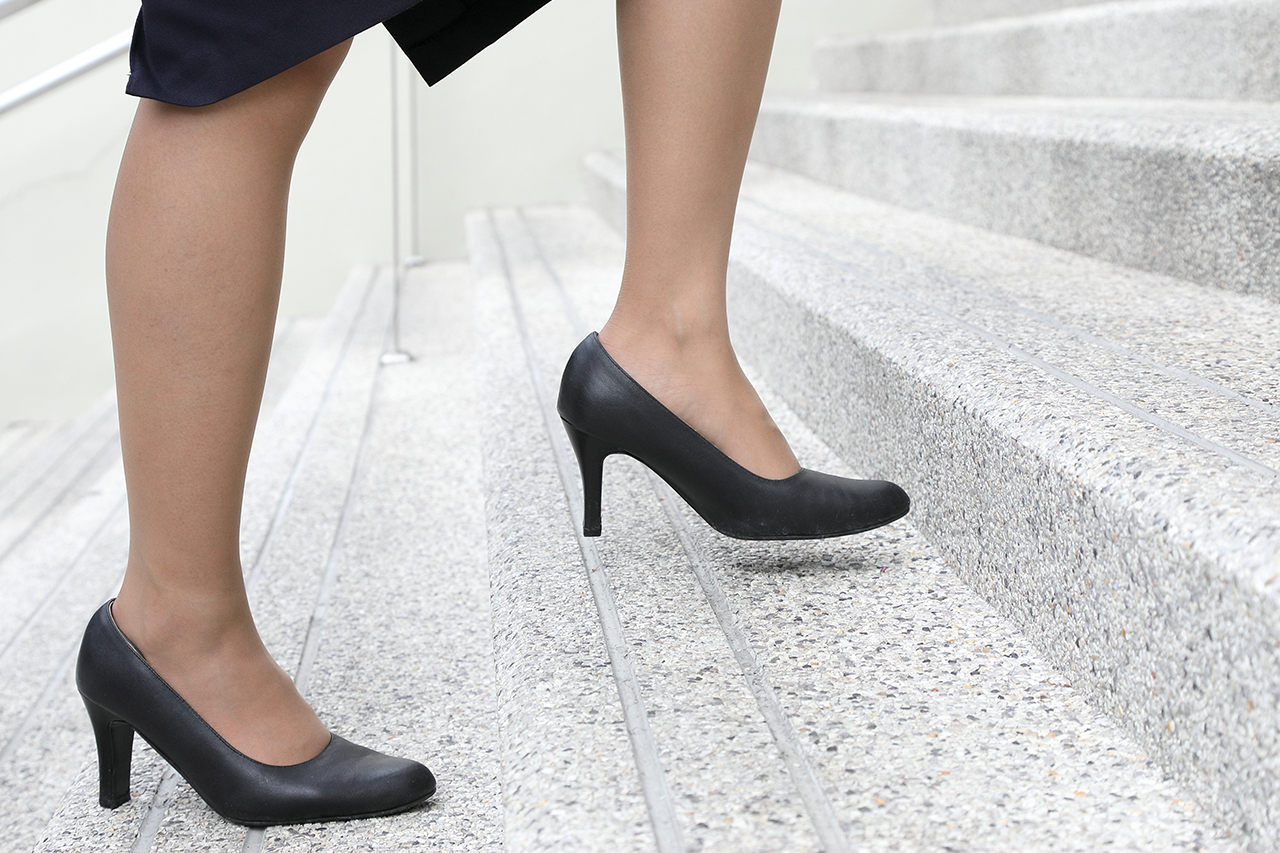
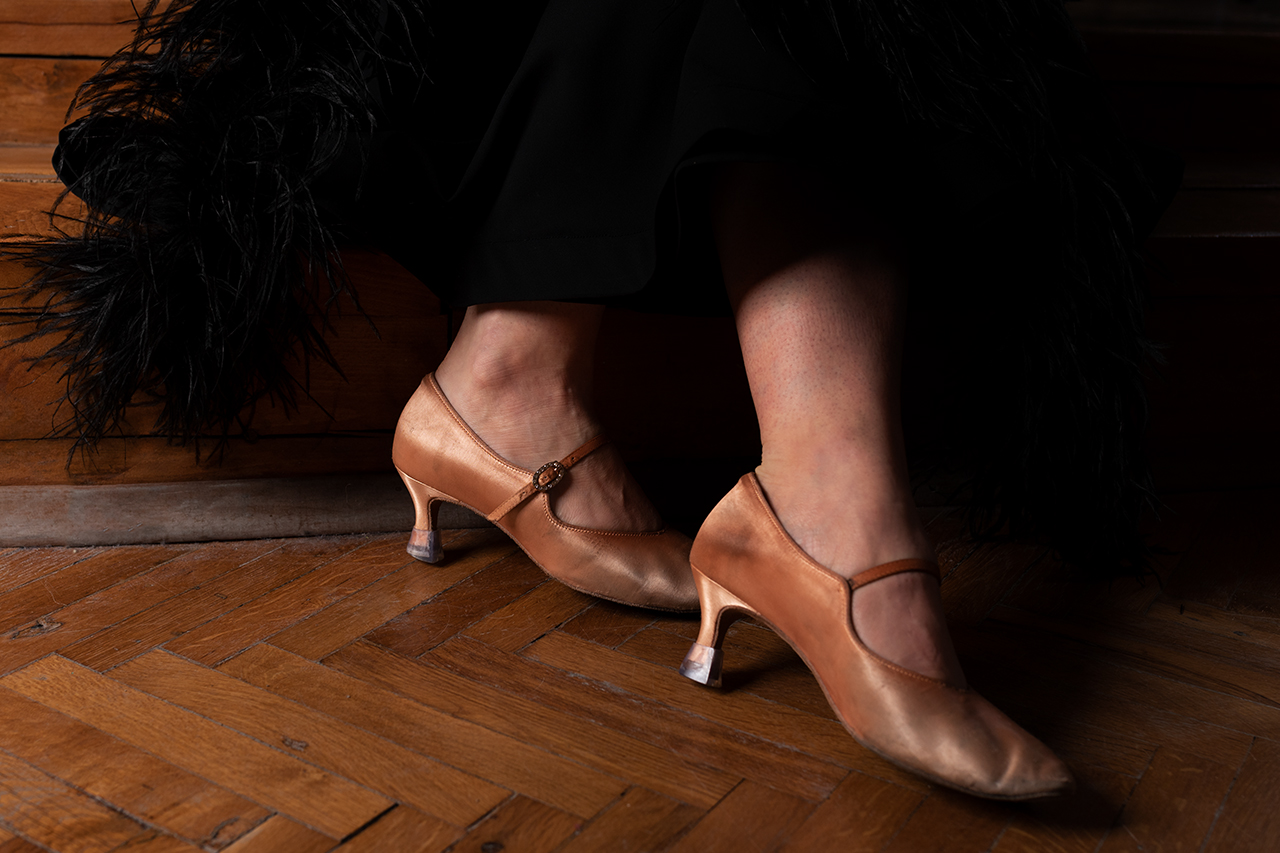
The story of mary janes stretches back more than a century. Originally popularised in the early 1900s as a children’s shoe, the style quickly evolved into mainstream WOMEN'S fashion. By the 1920s, flapper-era dressing embraced the strap silhouette for dancing. In the 1960s, designers like Mary Quant paired them with mod minis. In the ’90s, grunge gave us chunkier versions worn with tights and slip dresses.
Through every fashion cycle, mary janes adapted without losing their identity.
What makes that possible? Structurally, they’re simple: a closed toe, low-cut vamp, and a strap—sometimes single, sometimes double, occasionally in a T-Bar shoe variation. That clean framework leaves room for endless reinterpretation.
I’ve fitted hundreds of customers in-store and I’ve noticed when trends swing back towards femininity or vintage-inspired styling, mary janes will naturally resurface. They provide softness without sacrificing structure. They’re nostalgic but not costumey.”
Trends come back when they meet aesthetic and practical needs. That’s what Mary janes do.
There are lots of women who want an alternative to crazy-high heels or sneakers that are too casual. Classic mary jane flats, polished without being uncomfy. The strap makes them more secure than a lot of standard flats, more stable.
I have heard customers tell me they love they don’t have to “grip” with their toes in order to keep the shoe on. that little strap makes a big difference, especially when you are on your feet all day.
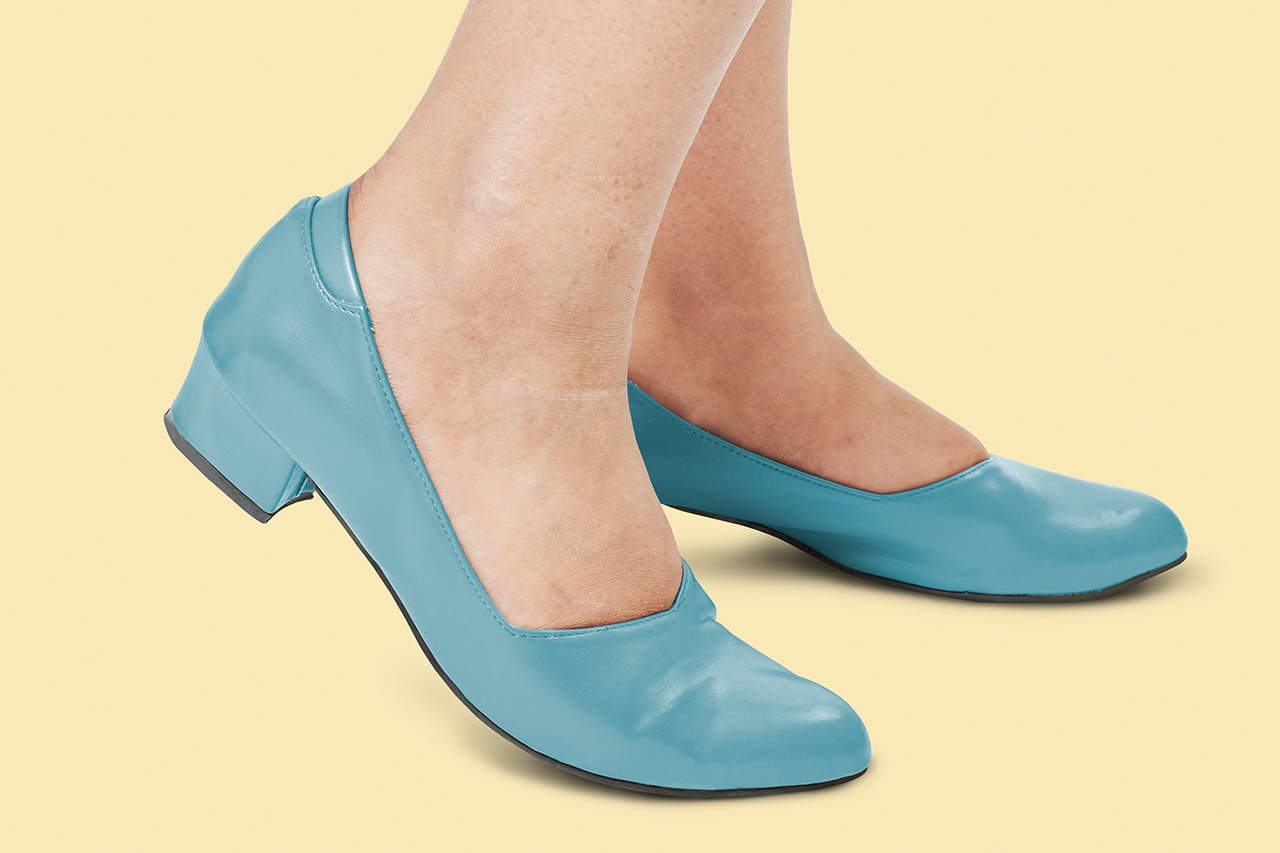
Fashion is always digging the past up. Y2K and ’60s influences are big right now, and mary janes fit right in with both. The silhouette is a direct nod to school uniforms, vintage photographs and styling from classic films.
But they don’t look old-school. Finish it with a modern twist – patent leather, metallics, mesh or even sporty re-interpretations.
Designers can alter the height of the heel, the shape of the toe, the hardware and materials and still maintain the essence of the style. I’ve seen everything from minimalist leather versions to playful takes such as the rose bow mary jane, which adds a soft decorative detail without overwhelming the design.
This flexibility is why mary janes keep returning to runways and street style alike.
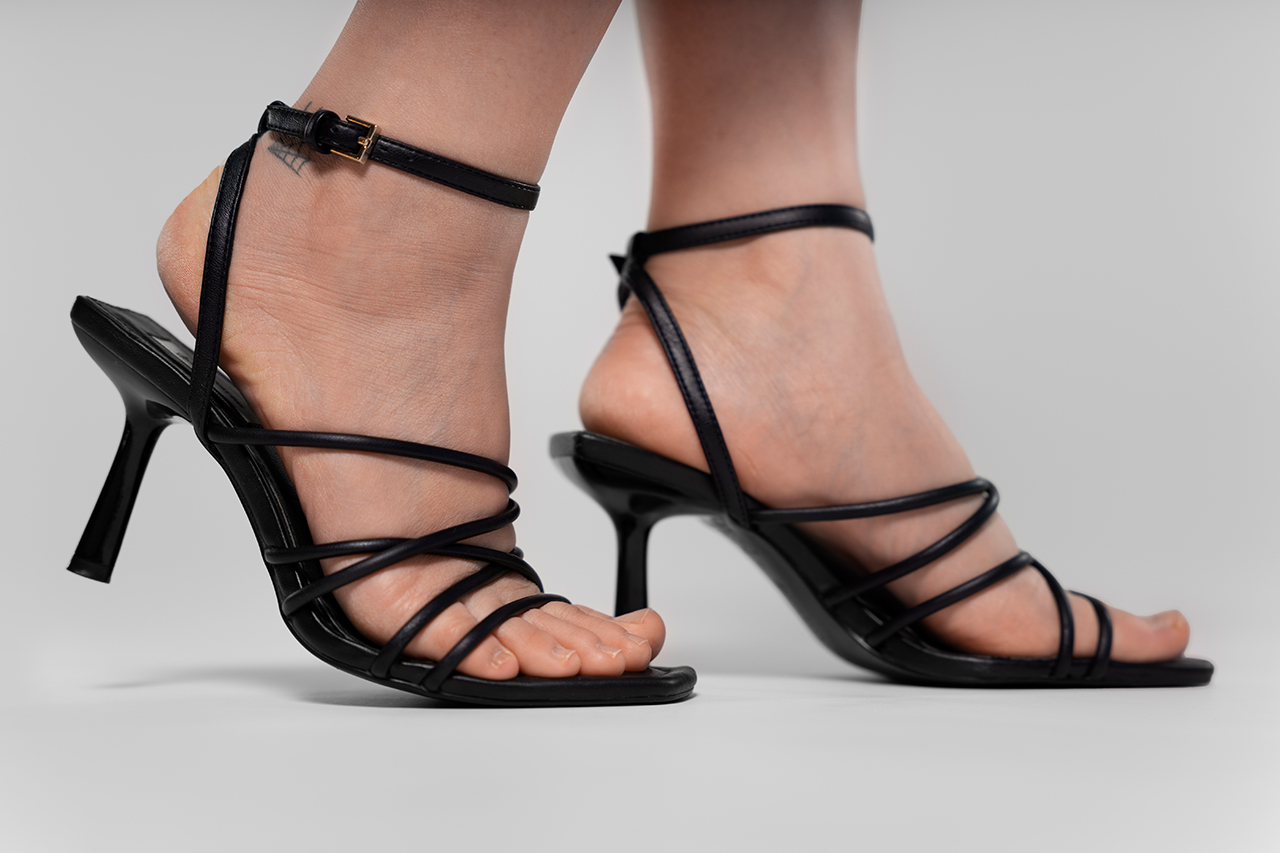
Today’s mary janes look different from the pairs many of us wore as kids—and that evolution is key to their relevance.
Thicker soles add a bold edge. These mary janes are modern not sweet, worn with wide leg trousers or oversize tailoring.
We are also seeing hybrid designs such as mary jane sneakers. They have athletic soles and the classic strap silhouette for a laid-back yet distinctive everyday style.
Special mention should be made of the T-Bar variation of the shoe. The vertical extension of the strap to meet the toe gives a longer, more elegant foot, but still keeps that vintage feel. It goes particularly well with midi skirts and cropped trousers.
Throughout all these variations the essential character remains constant. And that’s the magic.
The same thing is told to me in conversations in the stores: women want versatility. Good news? Mary janes are super versatile.
Sharp and considered, Mary jane flats with tailored trousers and a crisp shirt, mary janes and socks, mini skirt, playful and fashion forward.
Mary janes keep casual looks structured in soft denim and knit.
A polished mary jane can feel fresher than a classic heel for eventwear.
I have styled mary janes myself for work functions, weekend brunches and even semi-formals. It's all about proportion. Pair chunkier styles with heavier fabrics and delicate flats with lighter silhouettes.
The rose-bow mary jane works especially well when the rest of the outfit is understated. Let the detail speak without competing accessories.
Here’s where experience matters.
In footwear retail, truly fleeting trends spike quickly and disappear just as fast. We order heavily one season and heavily discount the next.
That’s not what happens with mary janes.
Even when they’re not dominating fashion headlines, customers continue to seek them out—particularly WOMEN'S shoppers looking for dependable, stylish options that don’t feel extreme. Sales remain steady because the design solves practical needs: stability, versatility, and all-day wearability.
From a construction standpoint, the strap also improves fit security. For many foot shapes, especially narrower heels, mary janes reduce slippage compared to backless or low-vamp flats. That’s not just a style point—it’s functional design.
This blend of form and function underpins their longevity.
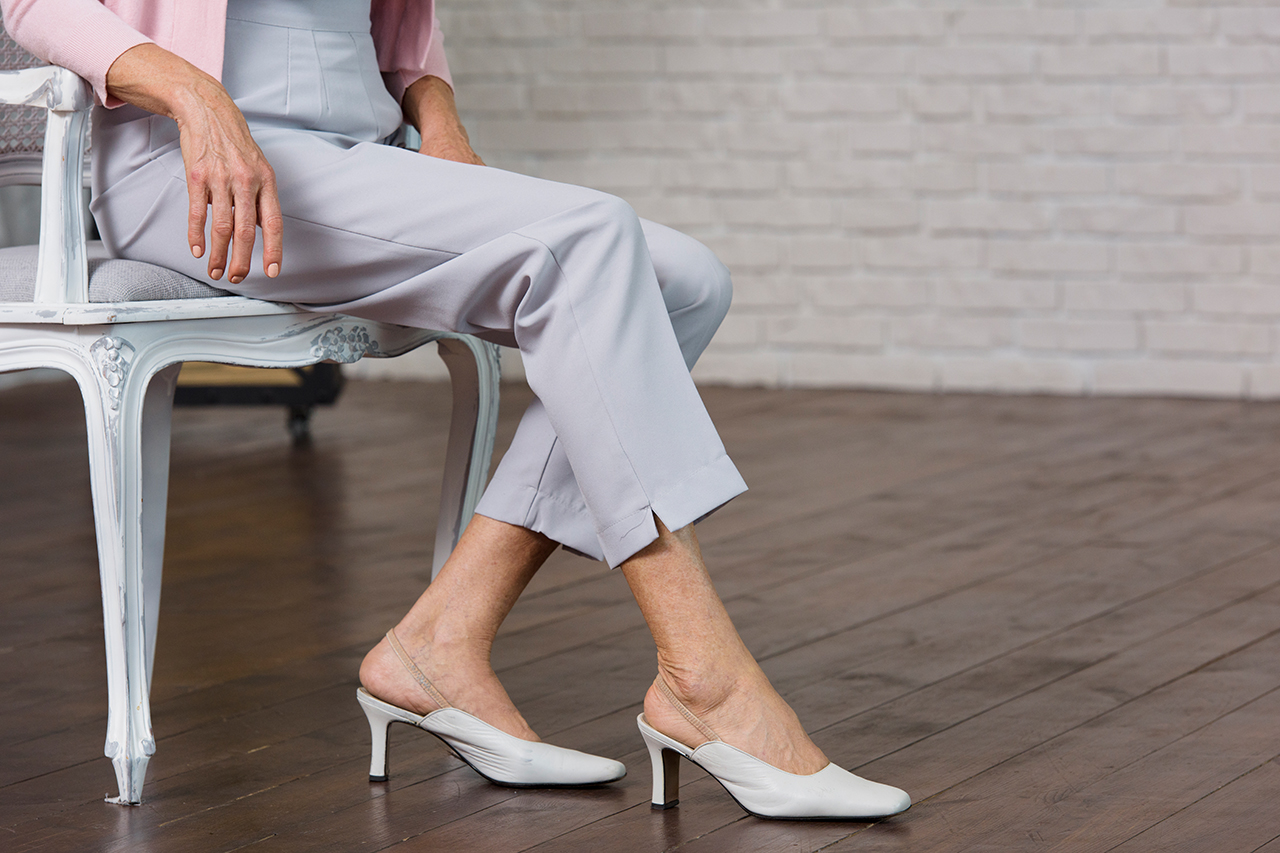
When investing in mary janes, consider:
A good shoe will serve you through many seasons. You’ll see cheap knock-offs that look similar, but they don’t have the support that makes a mary jane truly wearable over the long haul.
Transparency is important here: Not all pairs are created equal. Quality means your mary janes are a staple, not a fad.
Trends will continue to declare the “return” of mary janes every few years. Fashion media thrives on revival narratives.
But after decades of cycling through silhouettes, one truth remains clear: mary janes endure because they evolve.
They easily cross generations. They evolve with the hemlines and the moods of the culture. They come as flats, platforms, heels, sneakers or a chic T-Bar. They marry femininity and practicality like few styles do.
Most importantly, they feel familiar without being tired.
So yes, the mary janes are back in the spotlight. But if you’ve ever owned a pair you loved, you’ll know. They never really left.